The Penfolds Odyssey: Decoding the Heritage of Australia’s Greatest Wine Legacy

By Anderson & Stone
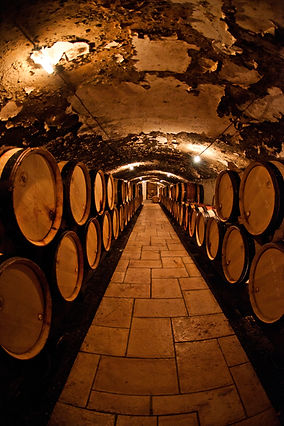
In the quiet cellars of seasoned collectors, the name Penfolds often sparks a specific kind of reverence. It isn't just about the prestige; it’s about a relentless pursuit of a "House Style" that has, for over 180 years, challenged the traditional European notions of terroir.
While much of the wine world obsesses over single-vineyard plots, Penfolds became a legend by doing the opposite: mastering the art of the multi-regional blend. It is a philosophy that views the vast landscape of South Australia as a palette, with the winemaker acting as the artist.
The Roots: A Legacy of "The House Style"
The Penfolds story began in 1844, not as a luxury endeavor, but as a practical one. Dr. Christopher and Mary Penfold established the Magill Estate with vines intended for medicinal tonics. However, it was the arrival of Max Schubert, the winery’s first Chief Winemaker, in the mid-20th century that changed everything.
The Vineyard Philosophy

What makes Penfolds’ sourcing unique is the sheer diversity of its "garden." By drawing fruit from the Barossa Valley, McLaren Vale, Coonawarra, and the Adelaide Hills, the house ensures a consistency that is almost architectural.
The Barossa Backbone: Old-vine Shiraz from the Kalimna Vineyard provides the muscular, sun-drenched depth Penfolds is known for.
The Cool-Climate Shift: In recent decades, the house has pushed into the high-altitude Adelaide Hills and Tasmania, seeking the laser-like acidity required for world-class whites.
The Mastery of Oak: From the coconut-tinged American oak of Grange to the subtle French spice of RWT, the choice of wood is treated with the same precision as the fruit itself.s into the high-altitude, crisp air of Tasmania and the Adelaide Hills to find acidity and poise.
A Connoisseur’s Retrospective: Five Essential Expressions
1. The Benchmark: Penfolds Grange (Bin 95) Shiraz 2018

To taste Grange is to taste history. The 2018 vintage arrived during a "Goldilocks" season—not too hot, not too cold—allowing the fruit to reach a level of phenolic perfection.
The Experience: It pours a dense, brooding purple. The aromatics are famously "explosive," moving from dark soy and blackberry to complex notes of coal dust and anise. On the palate, it is a monumental wine, defined by a massive structural core that suggests it will evolve gracefully for 50 years.
The Verdict: A powerhouse that demands patience. It is the ultimate "cellar-and-forget" bottle.
Pairing Idea: Something equally intense, like slow-cooked venison with a savory reduction.
2. The White Paradigm: Penfolds Yattarna Chardonnay 2017
For years, Australia struggled to prove it could make Chardonnay with the restraint of Burgundy. Yattarna was the answer. The 2017 vintage, sourced from cool-climate sites, is a testament to this evolution.
The Experience: Lean, flinty, and incredibly precise. It offers a bouquet of white stone fruits and citrus blossom, underpinned by a saline minerality. The oak is so well-integrated it feels like a mere whisper in the background.
The Verdict: It is "The White Grange" in name, but in spirit, it is a wine of extreme purity and tension.
Pairing Idea: Simply prepared seafood—perhaps steamed grouper with ginger and spring onion.
3. The French-Oak Variation: Penfolds RWT (Bin 798) Shiraz 2022

RWT stands for "Red Winemaking Trial," but it has long since moved past the experimental stage. Unlike Grange, it focuses solely on Barossa Valley fruit and French oak.
The Experience: This is Shiraz at its most seductive. The 2022 is plush and opulent, bursting with blueberry and violet. Because of the French oak, the tannins feel like crushed velvet rather than iron.
The Verdict: If Grange is the "muscle," RWT is the "elegance." It is a more modern, aromatic interpretation of the Barossa.
Pairing Idea: Char-grilled lamb chops with a crust of rosemary and sea salt.
4. The Purist’s Choice: Penfolds St Henri Shiraz 2001
St Henri is the "anti-Grange." It sees no new oak, aging instead in large, old vats. This allows the fruit to age through oxidation rather than wood-influence.
The Experience: The 2001 is now in its "golden years." It has shed its primary fruit for a sophisticated profile of dried earth, tobacco, and savory plum. The tannins have softened into a fine, silken dust.
The Verdict: This is the wine for those who value earthy complexity over raw power. It is a rare glimpse into how pure Australian Shiraz ages over two decades.
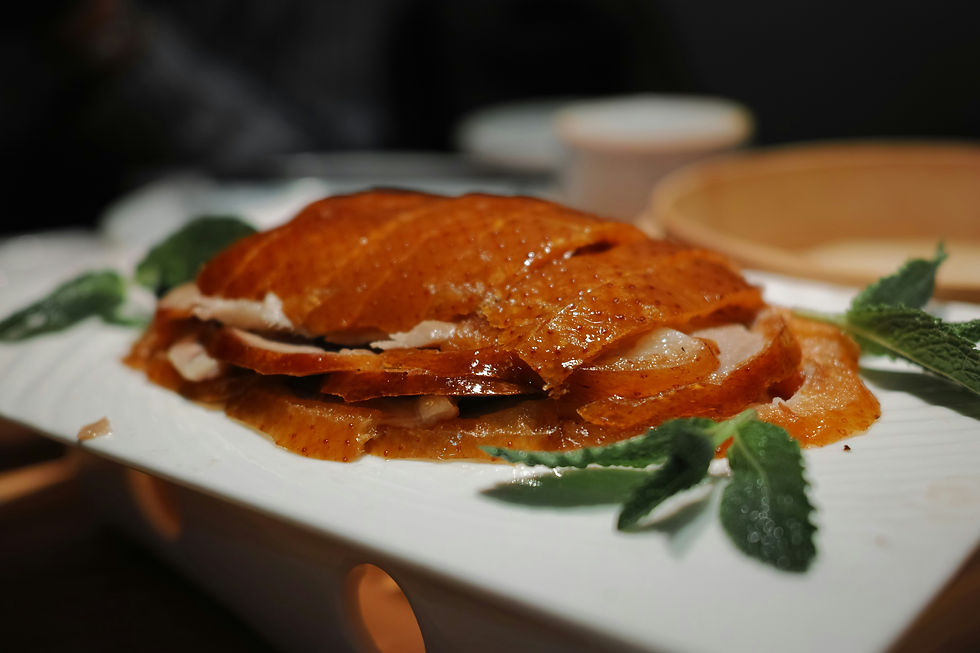
Pairing Idea: Roasted duck with hoisin or a mushroom risotto.
5. The Global Horizon: Penfolds Bin 149 Cabernet Sauvignon 2020
Part of Penfolds' "Wine of the World" project, Bin 149 is a fascinating blend of Napa Valley Cabernet Sauvignon and South Australian Shiraz.
The Experience: It bridges the two worlds. You get the opulent, sweet-fruited mid-palate of Napa, structured by the firm "grip" and acid profile typical of the Penfolds blending style. Notes of graphite and cedar dominate.
The Verdict: A bold, intellectual wine that marks Penfolds' ambition to be a global winemaking force beyond Australian borders.
Pairing Idea: A classic Beef Wellington or a robust ribeye.

Refining the Collection
Exploring Penfolds is a journey through the evolution of Australian viticulture. At Anderson & Stone, we see ourselves as the stewards of these stories. Curating a selection that spans from the legendary 2018 Grange to the perfectly aged 2001 St Henri requires a commitment to provenance—ensuring that the journey from the South Australian cellars to your glass is handled with absolute care.
Whether you are looking for a wine to define a milestone or a bottle to watch evolve over the next decade, these selections offer a glimpse into one of the most consistent winemaking histories in the world.
Explore the current Penfolds retrospective at www.andersonandstonewine.com


Comments