The Hidden Gems of Bordeaux: Beyond the First Growths
- andersonstonewine

- 2月9日
- 讀畢需時 4 分鐘
By Anderson & Stone
In the world of fine wine, Bordeaux is often discussed through the lens of its five First Growths. While those estates deserve their acclaim, the true intellectual joy of collecting Bordeaux often lies just outside that narrow spotlight. For those with a seasoned palate, the most rewarding experiences come from estates that deliver First Growth precision and historic terroir under labels that require a deeper level of knowledge to appreciate.

Whether it is a "second wine" that captures the poetic soul of Margaux or a Saint-Estèphe powerhouse that rivals the First Growths, these selections represent the "hidden masters" of the cellar. Here, we evaluate four bottles that define the current standard for high-level collecting.
1. The Lyricism of Margaux: Chevalier de Lascombes 2017

The Vineyard
Château Lascombes, a Second Growth estate in Margaux, has undergone a significant transformation. While the Grand Vin is a powerhouse, its second label, Chevalier de Lascombes, is often where the estate's most poetic qualities reside. Sourced from parcels that emphasize the "Margaux charm," this wine focuses on floral elegance and silken textures over raw extraction.
The 2017 Profile
The 2017 vintage was a year of precision. In the glass, it manifests as a bright, crunchy red fruit profile. The nose offers an immediate bouquet of crushed violets and lavender, followed by ripe red currants and a hint of sweet tobacco.
The Strength: An "accessible intellectual." It provides the hallmark Margaux perfume and structural finesse without requiring decades of cellaring.
Awards: Consistently rated 90-92 points for its pure, unforced elegance.
Gastronomy: Its floral lift makes it a superb partner for herb-crusted rack of lamb or a classic duck confit.
2. The White Paradigm: Château Pape Clément Blanc 2016
The Vineyard
Château Pape Clément in Pessac-Léognan is one of France’s oldest estates, with its first harvest recorded in 1300. While their reds are legendary, their dry whites are a rarity. Sourced from a tiny fraction of the vineyard where the soil transitions to a cooler mix of clay and limestone, these wines are produced in strictly limited quantities.
The 2016 Profile

The 2016 Blanc is a masterclass in balance. A blend primarily of Sauvignon Blanc and Sémillon, it possesses the creamy weight of a great Burgundy but the vibrant, mineral-driven spine of Graves. The nose is an explosion of citrus zest, white peach, and a sophisticated lick of spicy oak.
The Strength: Longevity. This wine has the structural components to evolve for over two decades, making it a "hidden gem" for white wine collectors.
Awards: Earning 97-98 points from James Suckling and 96 points from Robert Parker’s Wine Advocate.
Gastronomy: Pair with buttery lobster thermidor or pan-seared scallops with truffle cream.
3. The Right Bank Poet: Le Petit Cheval (Saint-Émilion) 2018
The Vineyard
Le Petit Cheval is the second wine of the legendary Château Cheval Blanc, a Premier Grand Cru Classé "A". It is not merely a "second choice," but a deliberate expression of the estate’s unique terroir—a mosaic of gravel, clay, and sand. The 2018 vintage was exceptionally warm, but Cheval Blanc’s unique microclimate ensured that the wine maintained its characteristic aromatic freshness and precision.
The 2018 Profile
This is a wine of incredible silkiness. Dominated by Merlot and Cabernet Franc, it opens with a stunning nose of dark cherries, red plums, and an unmistakable earthy florality. The tannins are incredibly fine, almost "pixelated" in their detail.
The Strength: Aromatic complexity. It offers a glimpse into the "Cheval Blanc DNA"—the perfect harmony between fruit and earth—at a fraction of the Grand Vin’s price. It is remarkably approachable now but will age beautifully for 15+ years.
Awards: Highly acclaimed for the vintage, earning 94-95 points from James Suckling and 93 points from Wine Advocate.
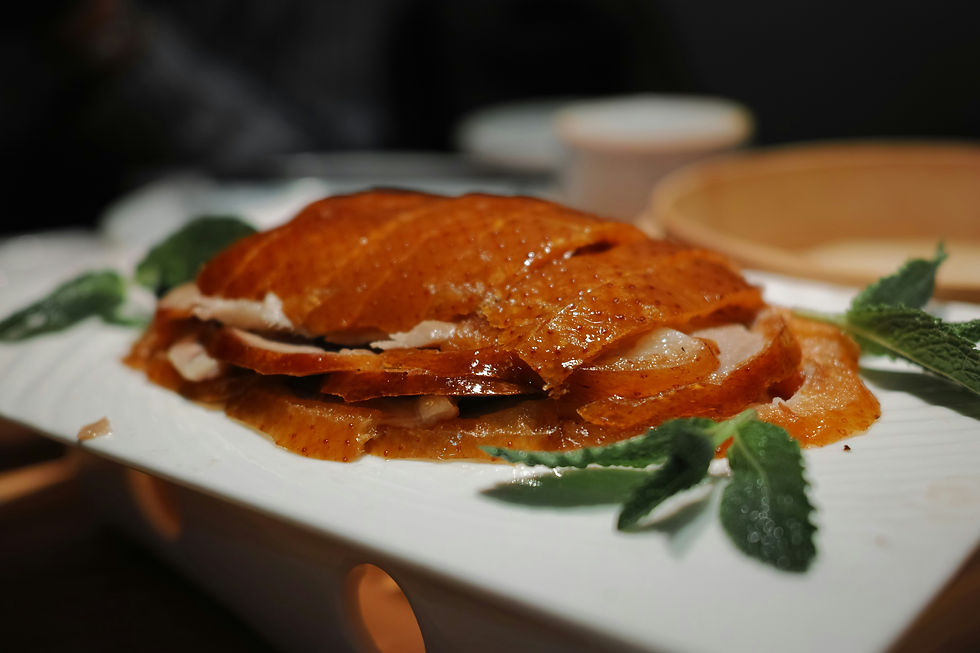
Gastronomy: Its refined structure pairs beautifully with roasted veal, truffle-infused dishes, or Beijing roasted duck.
4. The Saint-Estèphe Titan: Château Montrose 2017
The Vineyard
Château Montrose is often called the "Latour of Saint-Estèphe" for its powerful, structured, and long-lived wines. The vineyard sits on a unique terrace of deep gravel overlooking the Gironde estuary. In 2017, this proximity to the water protected the vines from frost, allowing for a "regal" expression of Cabernet Sauvignon that stands out in an irregular vintage.

The 2017 Profile
The 2017 Montrose is remarkably aromatic and "suave." It unfurls with intense notes of black cherry, crème de cassis, and fresh violets, underpinned by the estate's signature graphite and pencil shaving minerality.
The Strength: Architectural elegance. It manages to be powerful and deep without being heavy. It is a "classic" Montrose that possesses massive aging potential.
Awards: A standout of the vintage, earning 98 points from Wine Advocate and 97 points from James Suckling.
Gastronomy: Its sturdy backbone makes it a perfect partner for Beef Wellington, char siu, or aged hard cheeses like 36-month Comté.
The Collector’s Choice
Evaluating fine wine requires moving beyond the labels and into the technical merits of the vintage. Whether it is the floral lift of Margaux, the electric Pessac-Léognan white, the silken poetry of Saint-Émilion, or the architectural power of Saint-Estèphe, these selections represent the "Hidden Masters" of the wine world.
When sourcing such bottles, the focus should always be on provenance and expert curation. In a market where history is as important as the liquid itself, having a partner with a century of collective experience is essential. It is the difference between simply buying a bottle and investing in a piece of living history.
For those interested in exploring these specific vintages, the curated archives at offer a glimpse into these carefully vetted selections, maintained in pristine condition for the discerning collector.